
The front door swings open and suddenly your peaceful house is hit with a wave of backpacks, shoes, crumpled papers, and a chorus of "I'm hungry!" If your afternoons feel like controlled chaos from 3 PM onward, you are not alone. Most families struggle with the after-school transition, but a reliable after-school routine can turn those frantic hours into something manageable and even enjoyable.
Why the After-School Crash Happens
Kids spend six or more hours in a structured environment where they follow rules, sit still, and manage social dynamics. By the time they get home, they are mentally and emotionally drained. That is why you see meltdowns over minor things, resistance to homework, and a desperate need to just zone out.
Understanding this crash is the first step to building a routine that works. Instead of fighting against it, the best after-school routines work with your child's natural energy patterns.
The Five-Phase After-School Framework
A solid after-school routine does not need to be complicated. Think of it as five simple phases that flow naturally from one to the next.
Phase 1: Arrive and Reset (10-15 minutes)
The moment kids walk in, give them a landing routine. This includes putting shoes in the designated spot, hanging up their backpack, and handing over any papers or forms from school. Keep a bin or hook near the door so everything has a home.
This is not the time for questions about grades or behavior reports. Let them decompress first.
Phase 2: Snack and Connect (15-20 minutes)
Hungry kids cannot focus on anything. Have a snack ready or keep a few go-to options that kids can grab themselves. Cheese and crackers, fruit with peanut butter, or a simple granola bar all work well.
Use this time for low-pressure conversation. Ask open-ended questions like "What was the best part of your day?" rather than "How was school?" which almost always gets a one-word answer.
Phase 3: Homework and Learning (30-60 minutes)
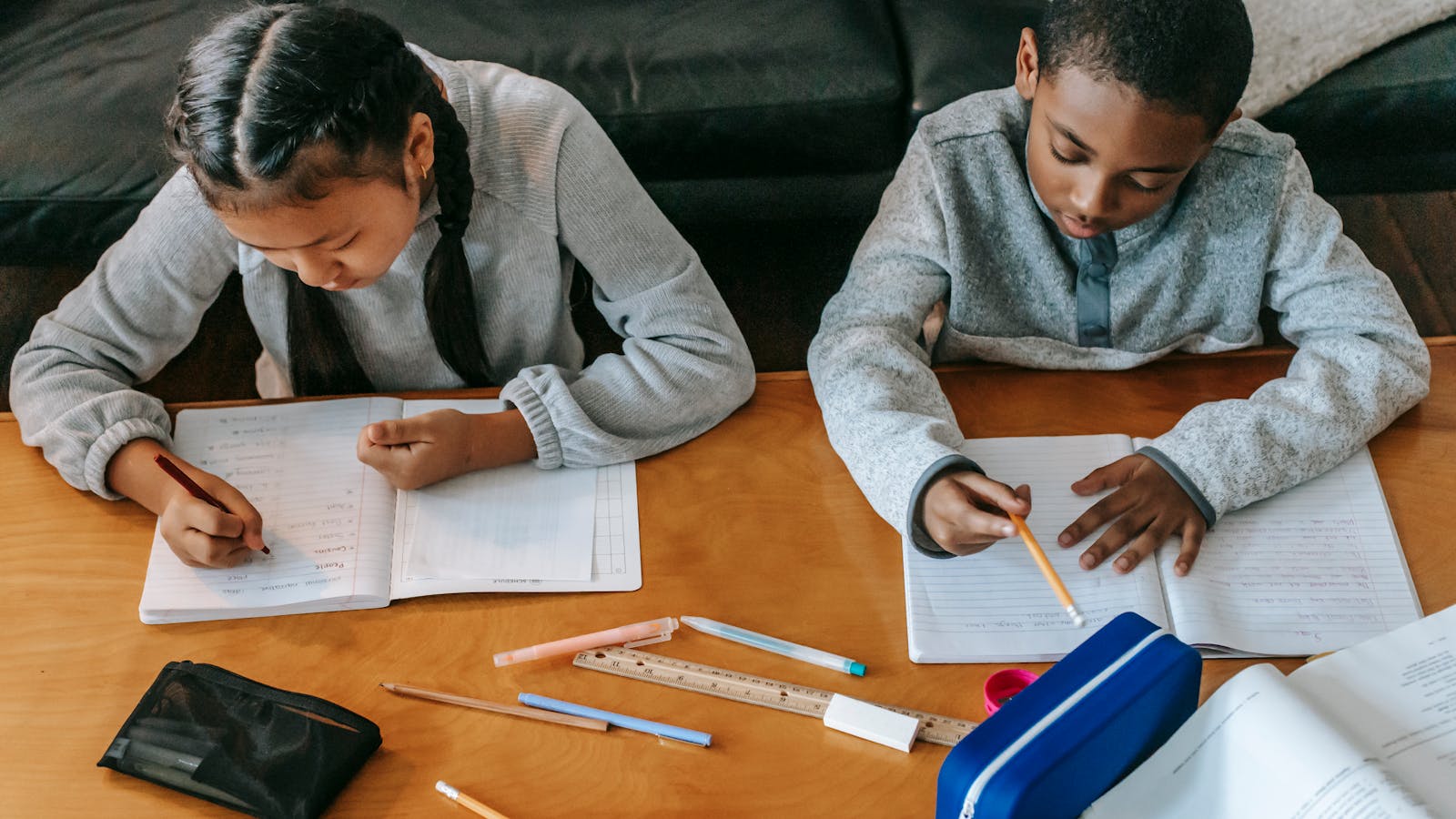
Once kids have eaten and decompressed, they are in a much better headspace for homework. Set up a consistent homework spot with good lighting and minimal distractions. Some kids work best at the kitchen table where a parent is nearby, while others need a quiet desk in their room.
For younger kids, sit nearby and be available for questions. For older kids, establish a check-in system where they show you completed work before moving on to free time.
If your child does not have homework, use this block for reading, educational games, or practicing a skill. Keeping the time consistent helps build the habit even on light homework days.
Phase 4: Chores and Contributions (15-20 minutes)
After homework comes a short chore block. This teaches kids that contributing to the household is part of daily life, not a special event. Age-appropriate tasks might include setting the table, feeding pets, tidying their room, or helping with dinner prep.
A family task app like Treehouse makes it easy to assign and track these daily responsibilities so kids know exactly what is expected without repeated reminders from you.
Phase 5: Free Time (remaining time before dinner)
This is the reward for completing the earlier phases. Kids choose how to spend this time, whether that is playing outside, drawing, video games, or reading. The key is that free time is earned by completing the earlier steps, which builds internal motivation.
Adapting for Different Ages
A routine that works for a six-year-old will not work for a thirteen-year-old. Here is how to adjust.
Ages 5-7: Keep each phase short. Use visual checklists with pictures. Stay physically close during homework time. Chores should be simple and quick, like putting away shoes or wiping the table.
Ages 8-10: Give more independence during homework. Introduce a written checklist they can follow on their own. Add slightly more complex chores like loading the dishwasher or folding laundry.
Ages 11-13: Let them determine the order of phases two through four, as long as everything gets done before free time. This builds autonomy and decision-making skills. Chores can include cooking simple meals or managing their own laundry.
Ages 14+: Shift to a results-based approach. Instead of dictating the schedule, agree on what needs to be accomplished each afternoon and let them manage their own time. Check in weekly rather than daily.
Consistency Tips That Actually Work
Start small. Do not overhaul your entire afternoon on day one. Introduce one phase at a time over a couple of weeks.
Post the routine visibly. A checklist on the fridge or a shared digital list removes the need for constant verbal reminders. When kids can see what comes next, they feel more in control.
Build in flexibility. Some days your child will have a rough day at school and need extra decompression time. That is okay. The routine is a guide, not a rigid schedule.
Be consistent with the order, not the clock. The sequence matters more than exact timing. Snack always comes before homework. Chores always come before free time. But whether homework starts at 3:45 or 4:15 is less important.
Review and adjust monthly. What works in September may not work in February. Sit down with your kids periodically and ask what is working and what is not. When kids have input, they have buy-in.
The Bigger Picture
An after-school routine is not about controlling every minute of your child's day. It is about creating a predictable structure that reduces stress for everyone. When kids know what to expect, they feel secure. When parents are not constantly nagging about homework and chores, evenings become more peaceful.
The first week or two might feel forced. That is normal. Stick with it, adjust as needed, and within a month you will wonder how you ever survived without it.