
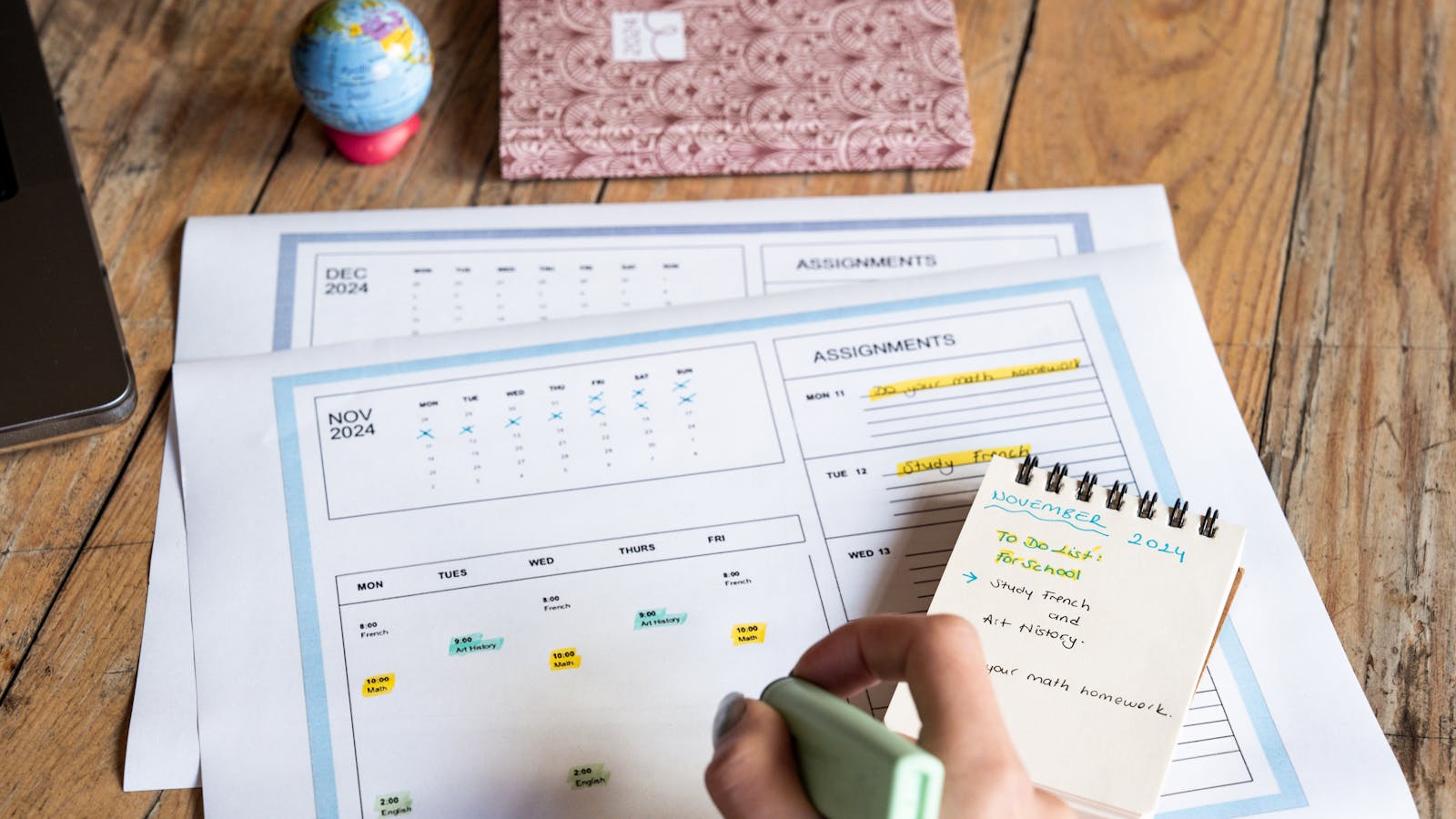
Pinterest makes family command centers look like a magical wall where every paper is color-coded, every backpack is hung neatly, and nobody ever forgets library day again. Real life is not that tidy. But a family command center can still be one of the most useful systems in your home if you build it for function instead of perfection.
The goal is not to create a decorative corner. The goal is to create one reliable place where the important parts of family logistics live.
What a Family Command Center Should Solve
Before you buy bins, labels, or cork boards, ask a better question: what keeps going wrong in your house right now?
Maybe school papers disappear into backpacks. Maybe no one knows what is happening on Thursday until Wednesday night. Maybe permission slips pile up on the counter. Maybe groceries live in three separate notes apps and one text thread.
A useful command center solves those problems directly. For most families, it needs to support four things:
- calendar visibility
- incoming papers
- family reminders
- shared lists or tasks
If your setup does not reduce friction in one of those areas, it is probably extra clutter.
Pick the Right Location
The best place is not the prettiest wall. It is the spot your family already passes every day.
Good options include:
- near the kitchen
- by the garage entry
- beside the mudroom
- next to the family desk
You want the command center in a high-traffic area so it becomes part of the normal flow of leaving, arriving, and checking the week ahead.
Keep the Physical Setup Minimal
Most command centers work best with just a few pieces:
- a calendar
- a paper tray or vertical file for school forms
- hooks or baskets for frequently misplaced items
- a whiteboard for reminders
That is enough. Once families start adding ten different compartments, mail bins, inspirational signs, chore charts, and color-coded envelopes, the system becomes harder to maintain than the problem it was meant to solve.
The easier it is to reset, the more likely it is to stay useful.
Combine Physical and Digital on Purpose
This is where many families get stuck. They try to put everything on the wall, or everything in an app. The best answer is usually both.
Use the physical command center for things that benefit from being visible at a glance:
- this week’s calendar
- forms to sign
- pickup reminders
- a simple family message board
Use a shared digital system like Treehouse for the things that change often and need to travel with you:
- recurring chores
- grocery lists
- appointments and events
- task assignments
The wall helps everyone remember. The app helps everyone act.
Create a Simple Paper Workflow
Paper is where many homes lose control. The solution is not pretending paper will disappear. It is giving paper a path.
Try this:
- New papers come in and go straight into one inbox tray.
- Anything urgent gets handled during a daily five-minute check.
- Signed or completed papers go into one outgoing folder.
- Old papers get recycled or filed during a weekly reset.
This prevents counters from becoming storage units.
Add a Weekly Reset
No command center stays useful without maintenance. The good news is that maintenance does not need to be a project. Ten minutes once a week is enough.
During the reset:
- check the family calendar for the week ahead
- clear out old papers
- update reminders
- refresh grocery or meal-planning lists
- make sure everyone knows unusual schedule changes
Sunday evening works well for many families, but any consistent time is fine.
Involve Kids in Using It
If the command center is only for parents, it will not reduce much stress. Kids can absolutely use it too.
Young kids can check what comes next in the day. Elementary-age kids can place school forms in the inbox. Older kids can review the family schedule, add grocery items, or track their own responsibilities.
That matters because systems become stronger when they are shared, not managed by one exhausted adult.
The Best Version Is the One You Maintain
Your family command center does not need matching containers or custom vinyl labels. It needs to help your family know what is happening, what needs action, and where important things go.
Start small. Fix the main pain point first. Then build from there.
An organized home is rarely the result of one perfect system. It is usually the result of a few simple systems that people actually use every day.