
Parents often say they want their teenagers to be more independent, but independence is not created by stepping back all at once. It is built by giving teens real responsibilities they can practice, recover from, and gradually own.
What Independence Actually Includes
For teens, independence is not just self-motivation. It includes:
- managing time
- keeping track of commitments
- communicating clearly
- handling basic household tasks
- following through without constant reminders
Those skills can be taught.
Start With Real Responsibilities
Teen independence grows faster when the responsibilities actually matter. Good examples include:
- doing laundry start to finish
- packing what they need for school or sports
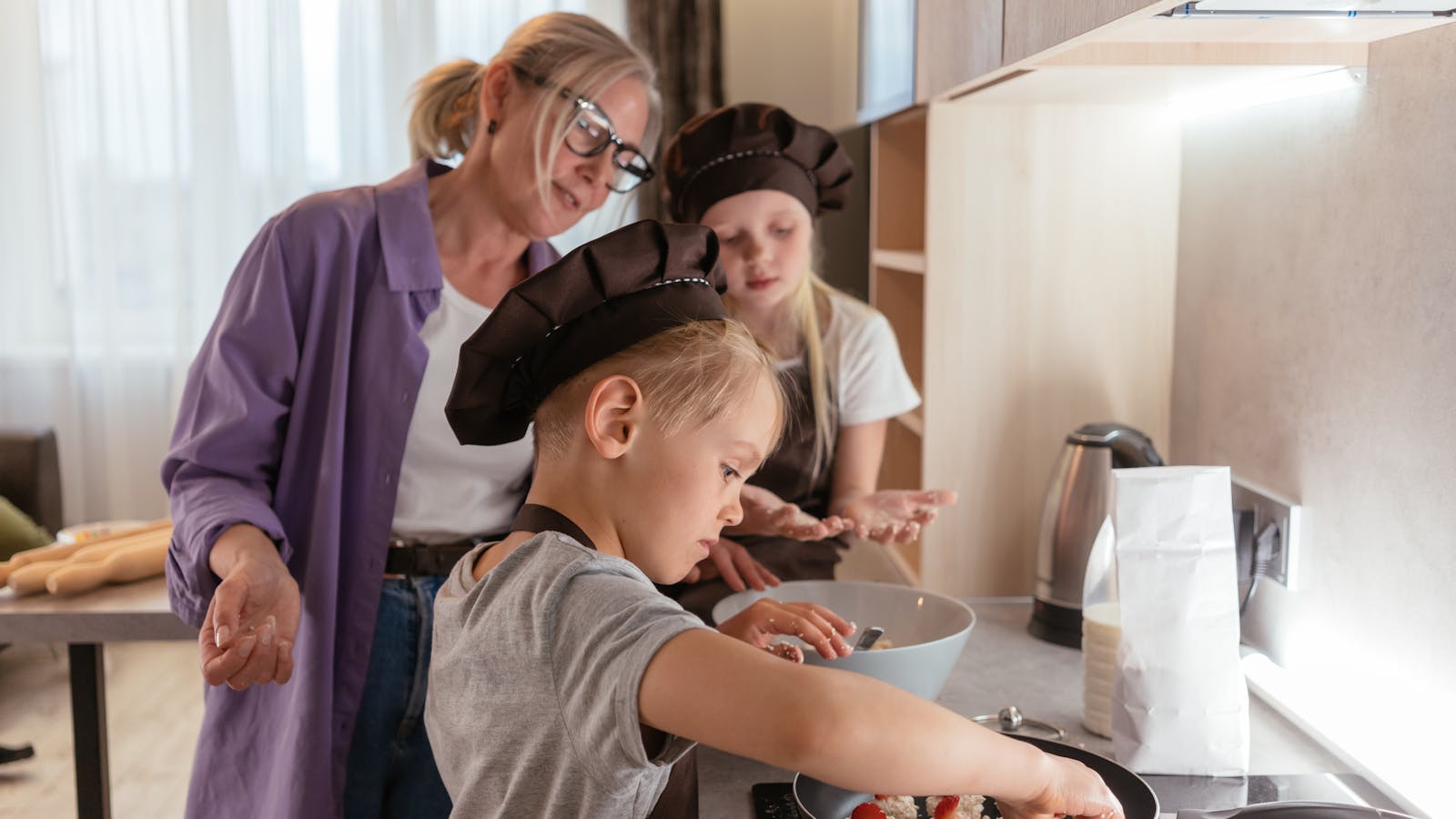
- preparing simple meals
- managing a weekly chore
- tracking their own calendar obligations
Tasks that have visible outcomes build confidence quickly.
Shift From Directing to Reviewing
With younger children, parents often need to walk through every step. With teens, it is usually better to agree on the outcome and check in afterward.
That sounds like:
- “Dinner is your responsibility on Thursday.”
- “Make sure your gear is ready before bed.”
- “You own the bathroom reset this week.”
This moves the teen closer to planning instead of waiting for instructions.
Teach Calendar Ownership
A teenager who cannot keep track of school deadlines, work shifts, practices, and appointments is still relying on adult management.
This is a great age to expect teens to:
- check the family calendar
- note their own obligations
- prepare for known events
- speak up early about conflicts
A shared planning tool makes this easier because it gives them one visible source of truth.
Normalize Household Contribution
Teens should not only be responsible for their own messes. They should contribute to shared household maintenance too.
That might mean:
- dishes
- cooking
- cleaning a shared bathroom
- helping with errands
- supervising a younger sibling’s checklist
This teaches that adulthood includes caring for common space, not just personal freedom.
Let Natural Consequences Teach Some Lessons
Parents do not need to rescue every preventable mistake. If a teen forgets their water bottle, arrives underprepared, or procrastinates on packing, that discomfort can be part of learning.
The goal is not punishment. The goal is experience.
Talk About Systems, Not Character
When teens struggle, avoid turning it into a personality judgment. Focus on tools and process:
- “What system would help you remember this?”
- “What should happen earlier next time?”
- “Would a checklist help here?”
That keeps the conversation collaborative.
Independence Is Built Before They Leave Home
By the time a teenager is close to adulthood, the goal is not perfect performance. It is enough practice that real life does not feel completely unfamiliar.
Every meal cooked, chore managed, calendar checked, and responsibility handled is a step toward that.
Teen independence is not a switch you flip. It is a series of ordinary family expectations that gradually become skills.